Source Portable Glass Coffee Pot for Travel, Office, and Home
Compare 30 Portable Glass Coffee Pot options from China. Explore models like FP04 and CM37 with LFGB and FDA certifications. Features include heat preservation, eco-friendly materials, and customizable packaging for various capacities; compare the available evidence and request quotations based on your requirements.
Key considerations
Products List






Comprehensive Sourcing Guide
Portable Glass Coffee Pot Sourcing Guide
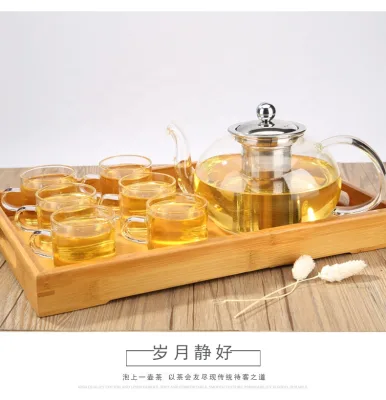
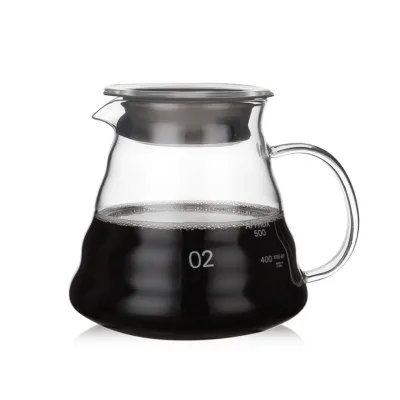
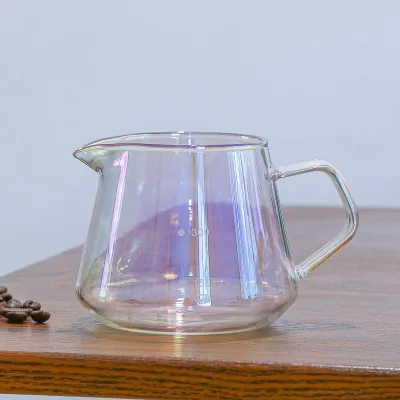
Procuring portable glass coffee pots requires distinguishing between standard glassware and specialized thermal units designed for travel. The observed market data indicates a diverse range of models, including specific configurations like the FP04 and CM37, which often feature double-layer ceramic or glass construction to maintain beverage temperature. Buyers must carefully evaluate whether the product is intended for simple hot beverage service or specialized functions like heat preservation and high-temperature resistance, as these attributes significantly impact the selection criteria for commercial or promotional use.
The supply chain for these items frequently originates from manufacturing hubs in Hebei, China, where suppliers offer varying degrees of customization and packaging solutions. While some listings highlight eco-friendly features and specific volume standards ranging from 350ml to 1000ml, others focus on aesthetic customization such as water transfer logos or hand-painted designs. Sourcing decisions should prioritize suppliers who can clearly articulate the structural integrity of the glass or ceramic layers, ensuring the product meets the specific durability requirements for daily use, gifts, or promotional campaigns without compromising safety.
Product Scope and Observed Listing Signals
The current market listings reveal a wide spectrum of product attributes, from single-piece units to complex double-layer structures designed for heat preservation. Buyers should note that while some models are explicitly described as eco-friendly and suitable for health care applications, others emphasize specific usage scenarios like business gifts or weddings. The presence of varied model numbers such as XC-CP19 and JH241227 suggests that manufacturers offer distinct configurations, requiring buyers to verify the exact material composition and intended function before placing an order to ensure alignment with their specific operational needs.
Packaging and customization options serve as critical signals for the intended market segment and logistical requirements. Observed data shows a mix of packaging types, including color boxes with bubble bags, brown boxes with EPE packages, and white boxes, each offering different levels of protection during transit. Furthermore, the availability of customized logos and color options, such as black or OEM-specific shades, indicates that many suppliers cater to branded promotional campaigns. Procurement teams must assess whether the standard packaging provided is sufficient for their distribution channels or if additional protective measures are necessary to prevent breakage during shipping.
Technical Specifications to Verify
Verifying the thermal performance and structural specifications is essential for ensuring the longevity and safety of portable glass coffee pots. The observed data includes temperature resistance ranges, such as -15 to 150 degrees Celsius, which are critical for products intended to withstand high temperatures during brewing or serving. Buyers must confirm that the specific model they select, whether it is a 400ml or 1000ml unit, meets these thermal thresholds to prevent cracking or failure during use, particularly for applications involving hot beverages or heat preservation functions.
Dimensional and capacity specifications vary significantly across the observed product range, with standards listed for volumes like 350ml, 600ml, and 800ml, alongside physical dimensions such as 5.3 x 5 x 9 inches. It is imperative to cross-reference these figures with the actual product requirements, as some listings offer custom volume requirements while others adhere to fixed standards. Additionally, the distinction between single-piece units and double-layer ceramic cups affects the overall weight and handling characteristics, necessitating a precise match between the technical data provided and the physical constraints of the intended application.
Compliance and Safety Documentation
Ensuring that portable glass coffee pots meet international safety standards is a non-negotiable aspect of the procurement process. The observed listings frequently cite certifications such as LFGB and FDA, which are vital for products intended for food and beverage contact. Buyers must request valid certification documents for each specific model to verify that the materials used, including the glass and any ceramic components, are free from harmful substances and comply with the regulatory requirements of their target markets.
Beyond material safety, the functional safety of the product, particularly regarding temperature resistance and structural integrity, must be validated through independent testing. While some product descriptions mention features like heat preservation and the ability to withstand high temperatures, these claims require substantiation through documented test results. Procurement teams should ensure that the supplier provides evidence of compliance with relevant safety standards, especially for products marketed for health care or daily use, to mitigate the risk of product failure or liability issues in the field.
Cost Drivers and Commercial Terms
The cost structure for portable glass coffee pots is influenced by a combination of material quality, customization levels, and order volume. The observed minimum order quantities (MOQ) range widely from as low as 5 units to as high as 5000, indicating that pricing tiers are likely structured to accommodate both small promotional orders and large-scale commercial deployments. Buyers should analyze how the inclusion of custom features, such as water transfer logos or specific color options, impacts the unit price and whether the supplier offers volume discounts that align with their procurement strategy.
Commercial terms regarding packaging and shipping also play a significant role in the total cost of ownership. The data shows varied packaging options, including free packing in brown or white boxes, which can affect the final landed cost depending on the supplier's policies. Additionally, the origin of the products, primarily from Hebei, China, suggests that logistics costs and lead times will be factors in the overall budget. Buyers must negotiate clear terms regarding packaging specifications and shipping responsibilities to avoid unexpected expenses that could erode the profit margins of their resale or promotional initiatives.
Supplier Qualification and Quality Control
Establishing a robust supplier qualification process is crucial for securing a reliable supply of portable glass coffee pots. Given the diversity of models and the potential for customization, buyers should verify the supplier's production capabilities and quality control measures to ensure consistency across batches. The presence of specific model numbers and detailed technical specifications in the listings suggests that suppliers have established production lines, but buyers must confirm that these lines can maintain the required standards for material quality and finish, such as the hand-painted techniques or solid patterns observed in some listings.
Quality control protocols should extend beyond the initial production run to include pre-shipment inspections and post-delivery monitoring. Buyers should implement checks to verify that the products meet the specified standards for volume, temperature resistance, and packaging integrity. The observation of various packing methods, from bubble bags to EPE packages, highlights the need for clear quality benchmarks regarding product protection. Establishing a partnership with suppliers who demonstrate a commitment to rigorous quality assurance will help minimize defects and ensure that the final products meet the expectations of end-users in competitive markets.
Long-Term Procurement Checks
Sustaining a successful procurement relationship for portable glass coffee pots requires ongoing monitoring of supplier performance and product consistency. Buyers should regularly review the supplier's ability to meet delivery schedules and maintain the quality standards observed in initial orders, particularly as order volumes increase or customization requirements evolve. The variability in model numbers and specifications suggests that the product line may expand or change, necessitating a proactive approach to managing these transitions and ensuring that new models continue to meet the established safety and performance criteria.
Long-term success also depends on the supplier's adaptability to market trends and regulatory changes. As consumer preferences shift towards more eco-friendly or specialized thermal products, buyers must ensure that their suppliers can innovate and adapt their offerings accordingly. Regular audits and feedback loops will help identify any deviations in quality or compliance, allowing for timely corrective actions. By maintaining a strategic focus on continuous improvement and supplier development, buyers can secure a stable supply chain that supports their long-term business goals and market positioning.
FAQs
What certifications do the portable glass coffee pots have?
The portable glass coffee pots hold LFGB and FDA certifications to ensure safety. These standards confirm the materials are safe for food contact. Some models also meet specific regional requirements. Buyers should verify the exact certification list for their target market before placing orders.
Can I request custom packaging for these glass coffee pots?
Yes, customization is available for packaging and branding on these glass coffee pots. Options include color boxes with bubble bags or brown boxes with EPE packages. Buyers can also request specific logo applications like water transfer logos. Customization allows for tailored branding solutions.
Which capacity sizes are available for the portable glass coffee pots?
Available capacities include 350ml, 400ml, 450ml, 600ml, 800ml, and 1000ml depending on the model. Some models allow for custom volume requirements as per buyer specifications. The standard sizes cover most daily use and promotional needs. Buyers should check specific model numbers for exact capacity options.
What is the minimum order quantity for these glass coffee pots?
The minimum order quantity ranges from 5 to 5000 units based on the specific product model. Some models like CM27 have an MOQ of 5, while others like XC-CP19 require 100 units. Buyers should confirm the MOQ for their selected model before initiating the procurement process.
How are the portable glass coffee pots packaged for shipping?
Packaging options include color boxes with bubble bags, brown boxes with EPE packages, or white boxes with bubble bags. Some models feature free packing in brown or white boxes. The packaging ensures protection during transit. Buyers can select the packaging type that best suits their logistics needs.
Where are these portable glass coffee pots manufactured?
These portable glass coffee pots are manufactured in Hebei, China. The production origin is consistently listed as China for the available models. Buyers sourcing from this region can expect established manufacturing capabilities. The location supports efficient logistics for international orders.
What features make these glass coffee pots eco-friendly?
The glass coffee pots are designed with eco-friendly features to reduce environmental impact. They are suitable for heat preservation and withstand high temperatures up to 150 degrees Celsius. The durable glass material supports long-term use. These attributes align with sustainable sourcing goals for modern buyers.